Butterfly Click Challenge
Butterfly Click Challenge
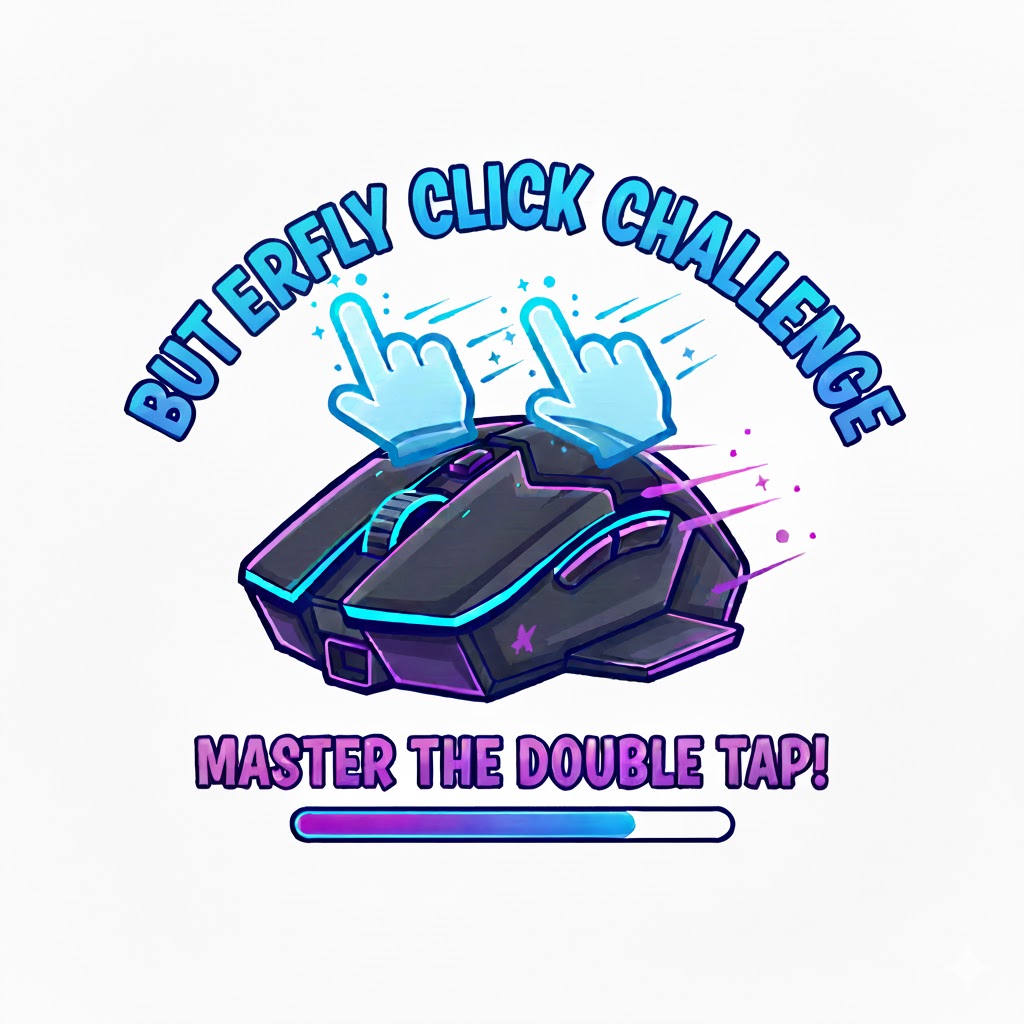
Master the butterfly clicking technique – alternate between two fingers as fast as you can!
Butterfly Click Challenge: Master the Art of Rapid Clicking
The Butterfly Click Challenge has become one of the most exciting tests for gamers, professionals, and everyday computer users who want to improve their mouse clicking speed. This challenge involves alternating between two fingers on a single mouse button to achieve the highest possible clicks per second (CPS). Beyond entertainment, it is an effective way to train finger dexterity and reaction speed.
Participants of the butterfly click challenge often find themselves fascinated by how much they can improve in just a few practice sessions. Experts report that mastering this technique can increase CPS by up to 50% compared to traditional single-finger clicking. Whether you are aiming for competitive gaming, professional mouse-intensive tasks, or simply improving your reflexes, this test provides valuable feedback on your hand-eye coordination.
How the Butterfly Click Challenge Works
The mechanics of the rapid butterfly click test are simple but require practice:
-
Two-Finger Alternation: Users place both their index and middle fingers on the mouse button and alternate clicks rapidly.
-
Timing and Rhythm: Consistent rhythm reduces missed clicks and enhances speed.
-
Tracking Performance: Modern butterfly click speed testers measure live CPS, total clicks, and even store personal bests for improvement tracking.
A real-world example: a gamer practicing for Minecraft PvP competitions reported increasing their click speed from 6.2 CPS to 11.5 CPS within two weeks of daily 10-minute sessions. This improvement directly translated into better in-game performance and accuracy.
Benefits of Practicing Butterfly Clicking
Engaging in a mouse butterfly clicking contest or using speed tester tools offers several advantages:
-
Improves Finger Agility: Repeated alternating movements enhance coordination and reduce finger fatigue.
-
Boosts Reaction Time: Quick mouse actions train your nervous system for faster responses.
-
Enhances Gaming Performance: High CPS can provide a competitive edge in games requiring rapid clicks.
-
Monitors Progress: Tools provide metrics like live CPS and personal bests, helping users identify improvement areas.
For students working with repetitive tasks like coding or data entry, practicing butterfly clicking can improve efficiency without increasing stress on the hand.
Tools to Enhance Your Butterfly Clicking Skills
Using reliable tools can make your training more structured and measurable. Some recommended tools include:
-
Full Keyboard Tester: Check the responsiveness of every key to ensure your setup supports rapid clicking.
-
Drag Click Speed Test: Complement your butterfly click practice with drag-click tests to understand your full clicking range.
-
Keyboard Tools Collection: Explore additional tools to refine hand and finger coordination.
Incorporating these resources can make your sessions more productive and insightful.
Real-World Examples of Butterfly Click Improvement
-
Esports Player: Increased CPS from
7.1to12.3in three weeks, improving performance in competitive matches. -
Software Tester: Reduced repetitive strain injuries by alternating finger use while maintaining high efficiency during click-intensive tasks.
-
Student Gamer: Achieved personal best in a 10-second butterfly click challenge, reinforcing reflex training techniques.
Tracking these improvements with butterfly click speed testers provides objective feedback that motivates continued practice.
FAQs About Butterfly Clicking
What is a good CPS in a butterfly click test?
Most casual users aim for 8–10 CPS, while competitive players often reach 12–15 CPS with consistent practice.
Can butterfly clicking damage my mouse?
Using proper technique minimizes stress on the hardware. High-end mice with durable switches are recommended for frequent practice.
How often should I practice?
Short, daily sessions of 5–10 minutes are effective. Overtraining can lead to finger fatigue and reduce performance.
Conclusion: Why You Should Try the Butterfly Click Challenge
The Butterfly Click Challenge is more than a fun game – it is a practical exercise for enhancing mouse control, reaction speed, and finger agility. By using structured tools like rapid butterfly click tests, full keyboard testers, and drag click speed assessments, anyone can track improvement and achieve remarkable progress.
Start small, monitor your results, and gradually increase your duration or speed. Over time, you will notice significant gains not only in gaming but also in daily tasks requiring quick and accurate mouse actions. The challenge is accessible to beginners, students, and professionals alike, offering a measurable way to enhance precision, speed, and overall hand-eye coordination.