Drain Pipe Slope Tool
Drain Pipe Slope Tool
Calculate the correct slope (fall) for drainage pipes to ensure proper flow and prevent clogs. Supports both metric and imperial units with international plumbing standards.
Drain Pipe Slope Tool: Ensure Perfect Flow for Your Drainage System
When it comes to plumbing, the slope of your drain pipes is one of the most critical factors for proper function. Too shallow, and your pipes risk clogging; too steep, and water can outrun solids, causing inefficient flow. That’s why our Drain Pipe Slope Tool was designed—to make slope calculation simple, accurate, and aligned with both residential and commercial plumbing standards.
Whether you’re installing a new sink, sewer line, or a home renovation project, understanding the correct drain pipe gradient is essential to prevent costly plumbing issues down the line.
Why Proper Drain Pipe Slope Matters
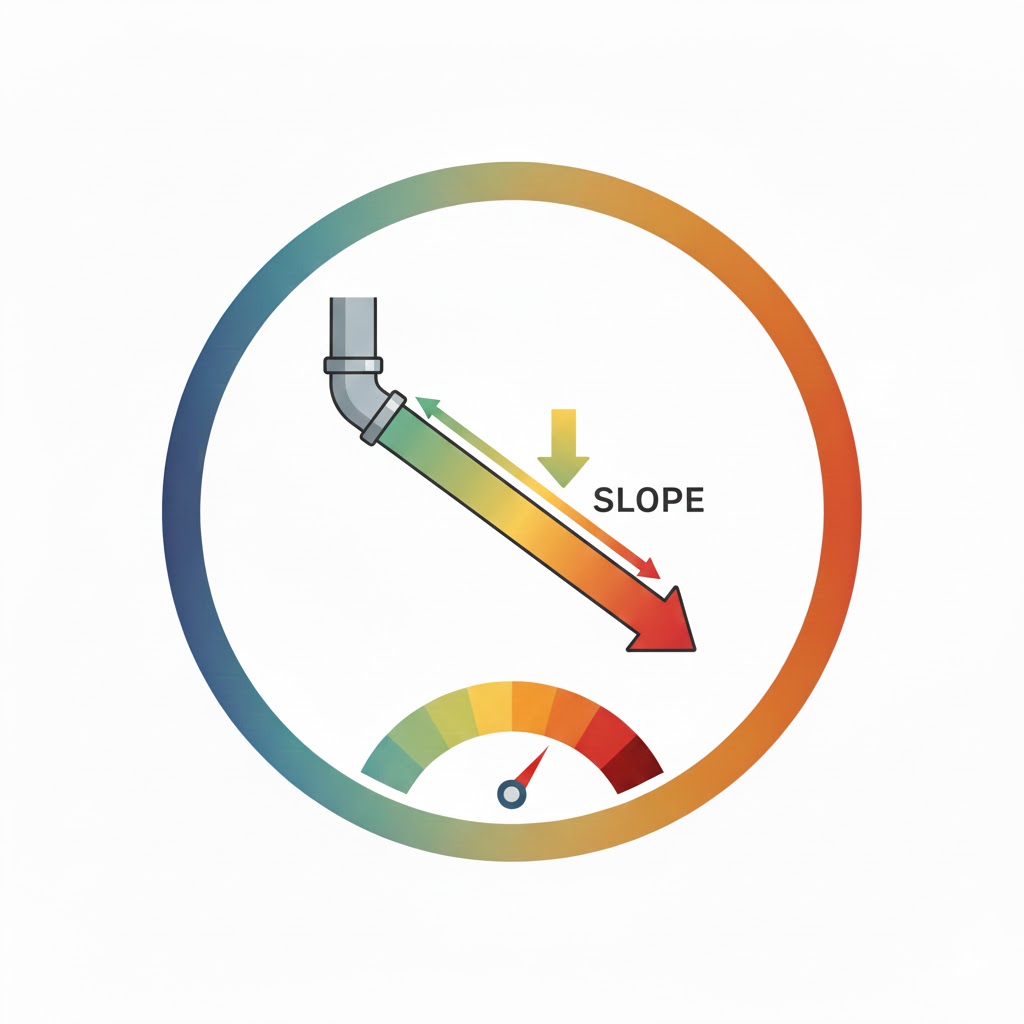
The slope, also known as pipe pitch, is the vertical drop over a horizontal run. Getting it right ensures:
-
Smooth water flow without blockages.
-
Proper transport of solids in wastewater lines.
-
Compliance with building codes and plumbing standards.
-
Reduced risk of pipe corrosion or premature wear.
For instance, a 4-inch residential drain pipe requires a minimum slope of roughly 1/4 inch per foot (≈2.5%) to prevent stagnant water and buildup. Larger pipes can tolerate slightly shallower slopes, but precision is always crucial.
How the Drain Pipe Slope Tool Works
Our drain pipe gradient calculator makes slope determination easy and accurate. Here’s a breakdown of its functionality:
Inputs You Provide:
-
Unit System: Choose between metric (meters, centimeters) or imperial (feet, inches).
-
Pipe Diameter: Select the nominal pipe size (e.g., 100 mm / 4-inch).
-
Horizontal Run Length: Enter the total length of the pipe.
-
Slope Standard: Choose from residential, minimum, commercial, or custom slope.
-
Custom Slope (Optional): Input your desired slope percentage or ratio if using a custom standard.
Outputs You Get:
-
Recommended Slope: Displayed as a ratio (1:X) and percentage (%).
-
Drop per Meter/Foot: The vertical drop for each unit of horizontal length.
-
Total Required Drop: Overall fall required along the pipe run.
-
Guidelines & Advice: Clear installation tips and code recommendations.
Calculation Logic
The tool’s formula is straightforward and follows standard engineering principles:
-
Slope Ratio: Based on the selected standard (residential = 1:40, minimum = 1:80, commercial = 1:20).
-
Slope Percentage:
slopePercent = (100 / slopeRatio) -
Drop per Unit Length:
dropPerUnit = unitConversion / slopeRatio -
Total Drop:
totalDrop = runLength × unitConversion / slopeRatio
Example: For a 10-meter run using a 1:40 slope:
This ensures water moves steadily without leaving solids behind.
Step-by-Step Examples
Example 1: Residential Sink Drain
-
Pipe Diameter: 100 mm
-
Run Length: 6 m
-
Standard: Residential (1:40)
Calculation:
Result: The drain pipe should drop 15 cm over 6 meters. This prevents slow drainage and blockages.
Example 2: Commercial Kitchen Drain
-
Pipe Diameter: 150 mm
-
Run Length: 12 m
-
Standard: Commercial (1:20)
Calculation:
Result: The steeper slope ensures rapid waste removal in high-volume areas.
Example 3: Custom Slope for Uneven Terrain
-
Pipe Diameter: 75 mm
-
Run Length: 8 m
-
Custom Slope: 3%
Calculation:
Result: Adjusting slope for terrain ensures proper flow even on non-uniform landscapes.
Tips for Using the Drain Pipe Slope Tool
-
Always measure horizontal run accurately before calculating slope.
-
Test different slope standards to see the impact on total drop.
-
For longer runs, ensure consistent slope to prevent pooling.
-
Use a laser level or string line for precise installation.
-
Reference local plumbing codes for minimum slope requirements.
Related Tools You Might Find Useful
-
Water Heater Size Estimator – Ensure your water system meets household needs.
-
Septic Tank Capacity Calculator – Calculate proper tank volume based on usage.
-
Well Pump Depth Tool – Determine optimal pump placement for consistent water supply.
These calculators complement the Drain Pipe Slope Tool by offering a full suite of plumbing design assistance.
Frequently Asked Questions
Q1: Can I use the same slope for all pipe sizes?
A: No. Smaller pipes require a steeper minimum slope (≈1:40), while larger pipes can operate efficiently with shallower slopes. Always follow building codes.
Q2: What happens if the slope is too steep?
A: Water may flow faster than solids, causing blockages downstream. Excessive slope can also increase pipe wear and noise.
Q3: How do I measure slope on-site?
A: Use a laser level or string line. Mark the high point and low point, then measure the vertical drop over the horizontal distance. Compare with the tool’s recommended slope.
Conclusion
The Drain Pipe Slope Tool is your practical companion for designing and installing efficient drainage systems. By providing precise slope recommendations, drop calculations, and clear guidelines, it prevents clogs, water pooling, and plumbing issues.
Whether you’re a homeowner, plumber, or contractor, this tool saves time, ensures compliance, and gives peace of mind. Try it today, experiment with different pipe sizes and run lengths, and see the difference proper slope makes in your plumbing system.