Fence for Pool Safety Tool
Fence for Pool Safety Tool
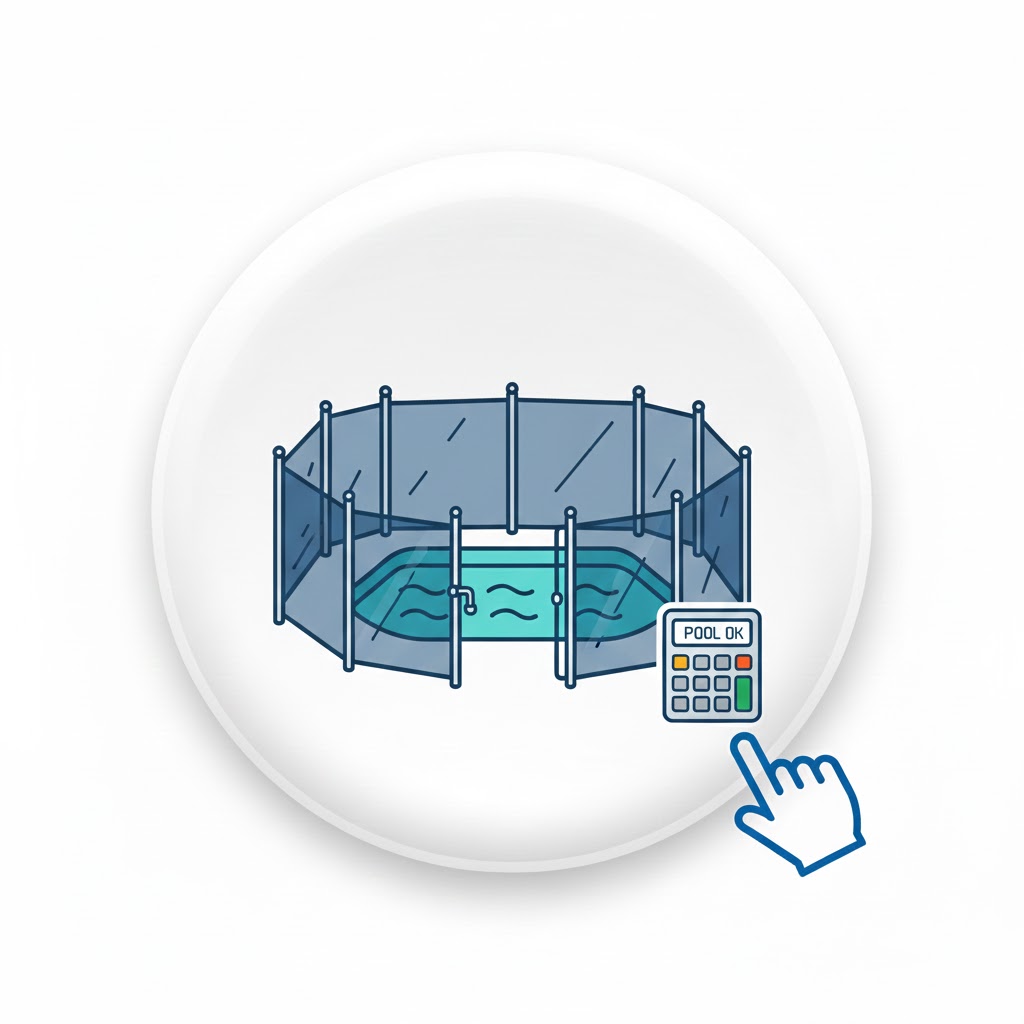
Calculate materials and verify compliance for a child-safe pool fence. Meets common international standards (min 4ft/1.2m height, self-closing/self-latching gate). Supports mesh, aluminum, glass, and wrought iron.
Fence for Pool Safety Tool: Your Complete Guide to a Safe Backyard Pool
Having a swimming pool in your backyard is a dream for many families—but it comes with a serious responsibility: safety. The Fence for Pool Safety Tool is designed to help homeowners, pool managers, and landscapers calculate the right materials and measurements for a child-safe pool barrier. Whether you’re installing a removable mesh fence for parties or a permanent aluminum enclosure, this tool ensures you meet international safety standards while making your backyard stylish and secure.
In this guide, we’ll walk you through how the tool works, practical tips for installation, and real-world examples to make your pool area completely safe and compliant.
Why a Pool Safety Fence is Essential
Swimming pools are beautiful, fun, and a great way to stay active—but they can be dangerous without proper barriers. According to the CDC, drowning is one of the leading causes of accidental death among children aged 1–4. Installing a pool safety fence isn’t just a legal requirement in many regions—it’s a critical step in protecting your family.
Key benefits of a pool safety fence:
-
Prevents accidental access by children or pets.
-
Meets international safety standards (minimum 4 ft / 1.2 m height, self-closing gates).
-
Offers peace of mind for homeowners, babysitters, and guests.
-
Enhances property value by providing a clear, professional safety feature.
How the Fence for Pool Safety Tool Works
Our Pool Safety Fence Calculator simplifies complex calculations into a few easy steps. Here’s what it does:
Step 1: Define Your Pool Perimeter
Enter the total fence length needed to enclose your pool. This is usually the pool’s outer edge plus any deck or walkway areas. The tool supports both imperial (feet) and metric (meters) units.
Step 2: Choose Your Fence Height
Most safety codes require a minimum height of 4 ft (1.2 m). Enter the height you plan to install. The tool checks compliance and warns if it’s below standard.
Step 3: Select Fence Material
Choose from:
-
Removable Mesh – ideal for flexible use, easy to install and remove.
-
Aluminum / Steel Tubular – durable, corrosion-resistant, modern look.
-
Glass Panels – premium aesthetic, provides unobstructed visibility.
-
Wrought Iron / Ornamental – classic style, very secure.
Each material has recommended post spacing built into the calculations to ensure structural stability.
Step 4: Add Gates
Specify the number of gates and their clear opening width. The tool automatically calculates the required self-closing hinges and magnetic latches, which are essential for child safety.
Calculation Logic Explained
The calculator uses simple, practical formulas:
-
Number of Posts:
-
Example: For a 80 ft pool with mesh fencing (8 ft spacing) and 1 gate:
-
-
Fence Sections / Panels: Usually equals the number of posts to allow for consistent spacing.
-
Mesh Length (if using mesh fencing):
This includes a 5% allowance for adjustments or overlaps.
-
Gates & Hardware:
-
Hinges: 2 per gate
-
Latches: 1 per gate
-
The tool provides both metric and imperial conversions, ensuring compliance no matter your region.
Real-Life Examples
Example 1: Small Backyard Pool
-
Pool perimeter: 60 ft
-
Fence height: 4.5 ft
-
Material: Mesh
-
Gates: 1 (4 ft wide)
Calculation:
-
Posts:
ceil(60 / 8) + 1 = 9 posts -
Mesh length:
60 * 1.05 = 63 ft -
Hinges: 2, Latches: 1
This setup is fully compliant, easy to install, and removable for parties.
Example 2: Medium Pool with Aluminum Fence
-
Perimeter: 100 ft
-
Height: 5 ft
-
Material: Aluminum
-
Gates: 2 (4 ft each)
Calculation:
-
Post spacing: 8 ft →
ceil(100 / 8) + 2 = 15 posts -
Sections: 15
-
Hinges: 4, Latches: 2
Aluminum ensures durability and a modern look while meeting safety standards.
Example 3: Glass Pool Panels for Luxury Backyard
-
Perimeter: 120 ft
-
Height: 4 ft
-
Material: Glass
-
Gates: 1 (3 ft wide)
Calculation:
-
Post spacing: 5 ft →
ceil(120 / 5) + 1 = 25 posts -
Panels: 25
-
Hinges: 2, Latches: 1
Glass panels maximize visibility but require closer post spacing for safety and stability.
Practical Tips for Installation
-
Always check local pool barrier codes before purchasing materials.
-
Install fences on level ground to avoid climbable gaps.
-
Ensure gates open outward and self-close reliably.
-
Keep gaps at bottom ≤ 4 inches (100 mm) to prevent small children or pets from squeezing through.
-
Consider professional installation for permanent fences, especially glass or wrought iron.
Related Tools for Your Project
-
Above Ground Pool Deck Estimator – Plan decking around your pool.
-
Carport Roof Span Calculator – Estimate structures near your backyard pool.
-
Mulch Coverage Depth Tool – Perfect for landscaping around your pool area.
FAQs
1. What is the minimum height for a pool safety fence?
-
Most standards require 4 ft (1.2 m), with no climbable features.
2. Can I use mesh fencing for permanent installations?
-
Mesh fences are ideal for temporary or semi-permanent solutions. For permanent barriers, aluminum or glass is recommended.
3. How do I calculate the number of posts needed?
-
Use the formula:
-
Always round up to ensure proper spacing and stability.
Conclusion
The Fence for Pool Safety Tool takes the guesswork out of planning a secure backyard pool. By calculating posts, panels, gates, and materials, it ensures your fence is safe, compliant, and tailored to your space. Whether you have a small mesh fence or luxurious glass panels, this tool helps protect children, pets, and guests without sacrificing style.
Explore related resources and test different scenarios—your safety decisions are easier and more accurate with the right calculations.