Smart Home Device Placement Planner
Smart Home Device Placement Planner
Get optimal placement recommendations for common smart home devices to maximize performance, coverage, and reliability.
Smart Home Device Placement Planner: Optimize Your Connected Home
Managing a smart home can be exciting, but it comes with real challenges. Imagine buying the latest smart speakers, security cameras, and thermostats, only to find that your devices don’t respond properly or Wi-Fi coverage is spotty. That’s where the Smart Home Device Placement Planner comes in — a tool designed to give you precise, actionable recommendations for placing every smart device in your home so you get maximum performance, coverage, and reliability.
Whether you’re upgrading a single floor or planning a multi-story smart home, understanding where and how to place your devices can save you frustration, improve automation, and enhance security.
Why Proper Smart Home Device Placement Matters
Even the most advanced IoT devices depend on strategic placement to function optimally. Poor positioning can result in:
-
Weak Wi-Fi signals and frequent connectivity drops.
-
Inaccurate temperature readings from thermostats.
-
Security camera blind spots or ineffective coverage.
-
Smart speakers that struggle to hear voice commands.
By using a smart device positioning calculator like our planner, you ensure that your devices communicate seamlessly and your home automation works as intended.
How the Smart Home Device Placement Planner Works
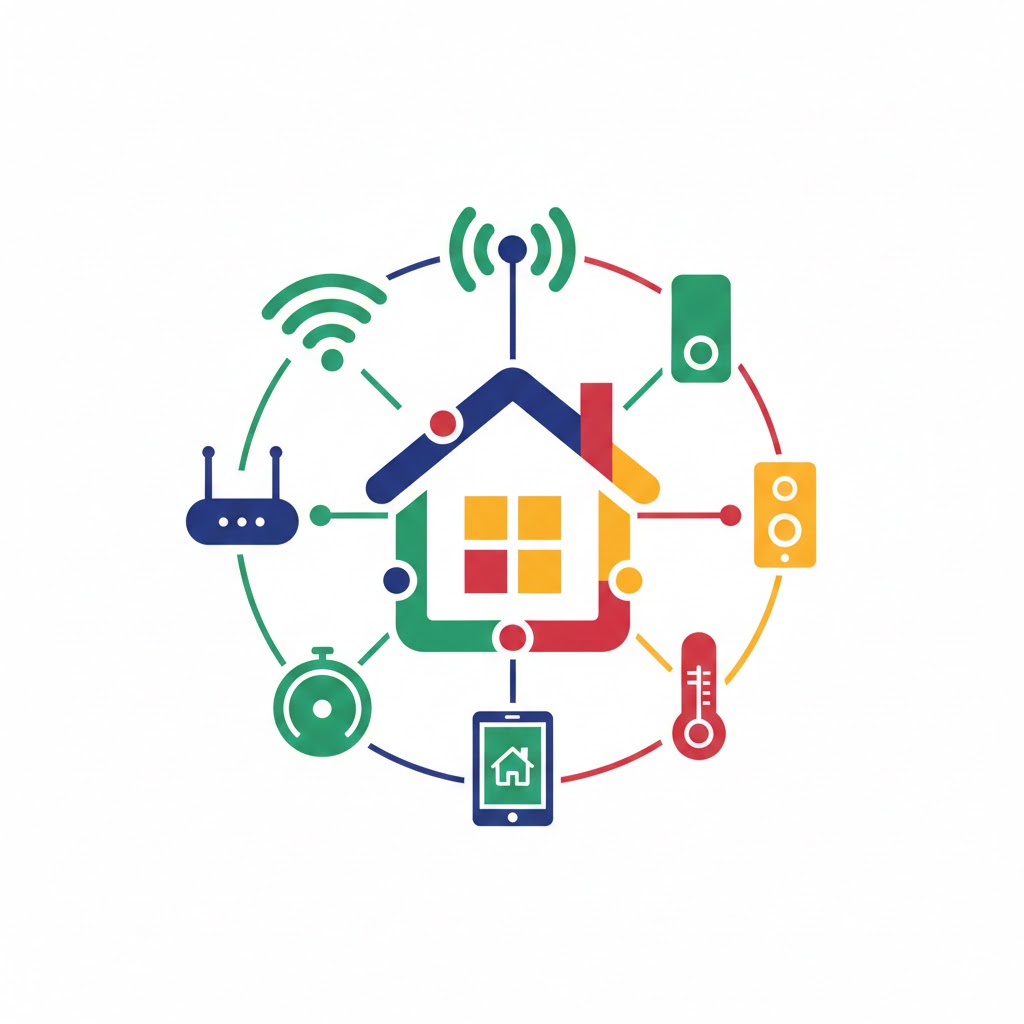
The Smart Home Device Placement Planner evaluates your home layout, device quantities, and Wi-Fi setup to generate clear placement recommendations. Here’s a step-by-step breakdown:
-
Inputs You Provide:
-
Number of smart speakers / voice assistants
-
Total smart lights
-
Smart thermostats
-
Security cameras
-
Smart locks / doorbells
-
Wi-Fi setup (single router, mesh, or router + extender)
-
Home size (m²) and number of floors
-
-
Calculation Logic:
The tool uses simple but practical rules based on real-world smart home best practices:-
Smart Speakers: 1 per main room; ideally 20–30 cm from walls, ~1–1.5 m high.
-
Lights: Group per room; prioritize warm white for living areas, cool white for tasks.
-
Thermostats: Interior wall, 1.5 m height, away from drafts or direct sunlight.
-
Cameras: Cover entry points; 2.5–3 m high; wide-angle positioning.
-
Locks / Doorbells: Eye-level installation (1.2–1.5 m); ensure Wi-Fi coverage.
-
Wi-Fi Optimization: For mesh systems, place nodes per ~50–70 m², central location, avoid interference.
-
-
Outputs:
The tool generates visually clear, step-by-step recommendations with device-specific advice, plus general smart home best practices, helping you avoid common pitfalls.
Step-by-Step Examples
Example 1: Multi-Room Home with Mesh Wi-Fi
-
Home Size: 150 m²
-
Floors: 2
-
Devices: 3 smart speakers, 15 lights, 1 thermostat, 4 cameras, 2 smart locks
-
Wi-Fi: Mesh system
Placement Recommendations:
-
Smart speakers in living room, kitchen, and master bedroom.
-
Lights grouped per room; warm white in living areas, cool white in kitchen.
-
Thermostat centrally located on interior wall.
-
Cameras at front door, back door, garage, and main hallway.
-
Mesh nodes on each floor, central locations for maximum coverage.
Calculation Logic:
Example 2: Single-Floor Apartment with Single Router
-
Home Size: 80 m²
-
Floors: 1
-
Devices: 2 speakers, 8 lights, 1 thermostat, 2 cameras, 1 smart lock
-
Wi-Fi: Single router
Recommendations:
-
Place router centrally for even Wi-Fi coverage.
-
Speakers in living room and bedroom, 1.2–1.5 m high.
-
Cameras covering front door and backyard.
-
Thermostat in a central hallway, away from direct sunlight.
Example 3: Large Home Using Router + Extenders
-
Home Size: 250 m²
-
Floors: 3
-
Devices: 5 speakers, 25 lights, 2 thermostats, 6 cameras, 3 locks
-
Wi-Fi: Router + 2 extenders
Recommendations:
-
Main router on ground floor central location; extenders on 2nd and 3rd floors.
-
Speakers distributed across floors, avoiding corners.
-
Cameras at all entrances and key areas (garage, back yard).
-
Thermostats per HVAC zone.
Calculation Formula:
Key Best Practices for All Smart Homes
-
Ensure strong Wi-Fi coverage — weak connectivity is the biggest source of smart home frustration.
-
Centralize devices where possible, especially speakers and thermostats.
-
Avoid interference from thick walls, microwaves, or metal objects.
-
Test performance after installation — devices may need minor repositioning.
-
Consider power source availability, especially for battery-powered devices.
-
Group similar devices for easier automation and scene control.
-
Keep devices updated and use strong, unique passwords for security.
Related Tools
-
Security Camera Field of View Calculator – Plan camera angles and coverage.
-
Alarm System Sensor Quantity Tool – Calculate how many sensors your home needs.
-
Explore More Smart Home Tools – Full suite of smart home planning resources.
FAQs
Q1: Can I use the planner for both small apartments and large homes?
Yes. The tool scales recommendations based on home size, floors, and device count, giving practical placement tips for any layout.
Q2: Does the tool account for Wi-Fi interference or obstacles?
It provides general guidance (central placement, mesh/extender suggestions) and highlights potential interference areas, but real-world testing is recommended for exact adjustments.
Q3: Can I plan multiple devices in the same room?
Absolutely. The planner gives advice on spacing devices, ensuring voice assistants and lights don’t interfere and Wi-Fi coverage remains strong.
Conclusion
The Smart Home Device Placement Planner is your expert guide to designing a connected home. By considering your home layout, Wi-Fi setup, and device count, you can place devices in optimal locations for maximum performance, coverage, and convenience.
Try the planner today, adjust your scenarios, and see how small changes can significantly improve your smart home experience. With this tool, effortless automation and seamless connectivity are no longer just a dream — they’re a reality.