Water Heater Size Estimator
Water Heater Size Estimator
Determine the right tank size or power rating for your water heater based on household size, usage, and peak demand. Supports both tank and tankless (instant) types with global units.
Water Heater Size Estimator: Find the Perfect Hot Water Solution for Your Home
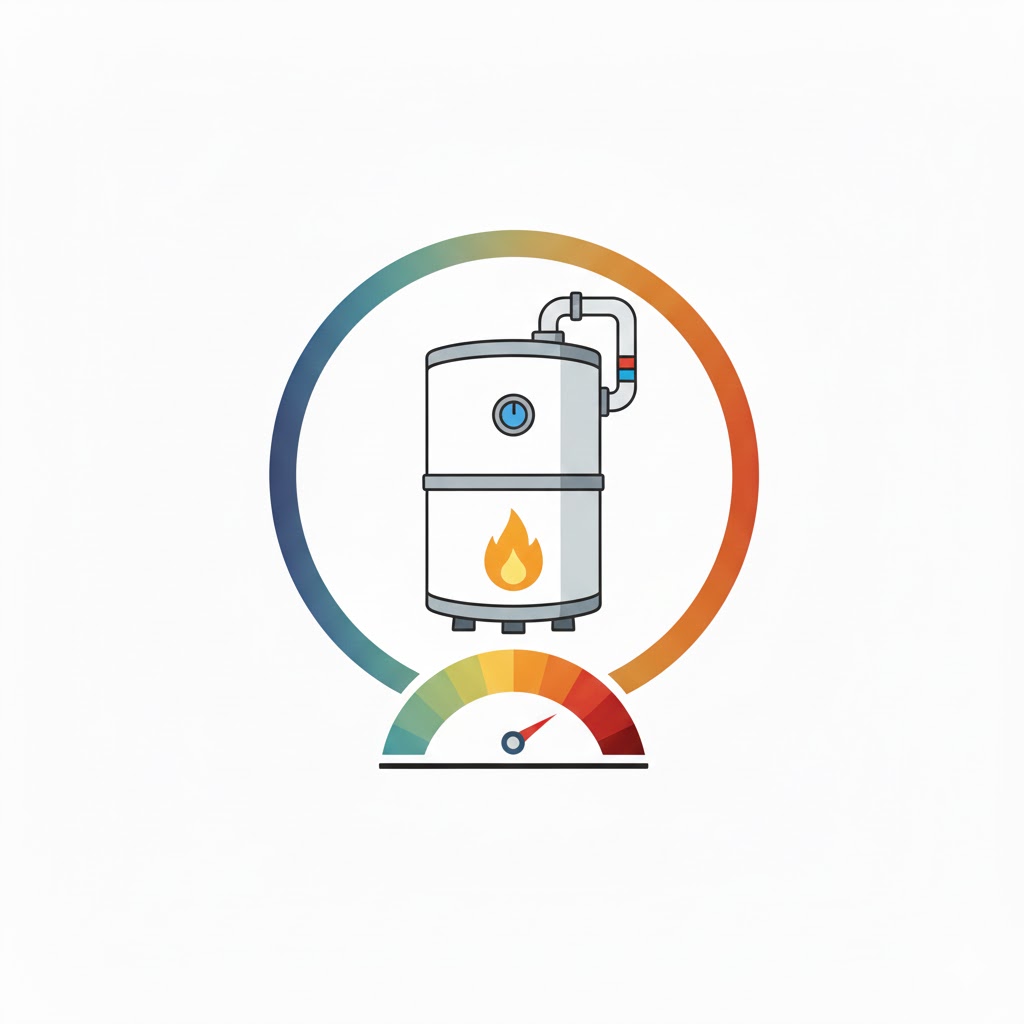
When it comes to designing a home’s hot water system, nothing is more frustrating than running out of hot water in the middle of a shower or waiting hours for your tank to refill. That’s where the Water Heater Size Estimator comes in—a smart, practical tool designed to help homeowners, plumbers, and designers determine the ideal water heater capacity based on household size, usage, and peak demand. Whether you’re installing a traditional storage tank or a modern tankless system, this estimator ensures you never overpay or undersize your hot water system.
In this guide, we’ll break down how this tool works, explore real-life scenarios, and give step-by-step calculations to make choosing a water heater straightforward and reliable.
Why Correct Water Heater Sizing Matters
Choosing the right water heater isn’t just about convenience—it’s about efficiency, safety, and long-term savings. Installing a tank that’s too small may leave your family waiting for hot water, while an oversized tank increases energy costs unnecessarily. Similarly, selecting a tankless system without accounting for peak flow can result in insufficient water temperature during simultaneous use.
Here’s what correct sizing ensures:
-
Consistent hot water supply for showers, sinks, and appliances.
-
Optimal energy efficiency, reducing utility bills.
-
Extended equipment lifespan, preventing frequent replacements.
-
Compliance with building and safety codes, especially for gas-powered systems.
How the Water Heater Size Estimator Works
The Water Heater Size Estimator takes a few key inputs to provide accurate recommendations for either storage tank or tankless systems:
Inputs:
-
Water Heater Type: Storage tank (electric or gas) or tankless/instant (electric or gas).
-
Number of People: Household size directly affects daily hot water demand.
-
Number of Bathrooms: More bathrooms increase simultaneous usage requirements.
-
Peak Hot Water Usage: Categories include low, medium, or high, representing showers, sinks, and appliance use.
-
Unit System: Metric (Liters, kW) or Imperial (Gallons, BTU/h).
Outputs:
-
Tank System: Recommended tank size in liters or gallons, typical recovery time, and practical guidance for element or burner selection.
-
Tankless System: Estimated peak flow rate (L/min or GPM) and required power rating (kW or BTU/h).
Calculation Logic:
For tank systems:
Adjustments:
-
Add 100 L (or 25 gal) if peak usage is high or bathrooms > 2
-
Subtract 50 L (or 15 gal) if usage is low
-
Minimum tank size: 150 L (40 gal)
For tankless systems:
Imperial conversions:
-
Liters → Gallons: divide by 3.785
-
kW → BTU/h: multiply by 3412
This logic ensures recommendations reflect both daily demand and simultaneous usage, providing a reliable sizing estimate.
Step-by-Step Examples
Example 1: Medium Household with Tank System
-
Household: 4 people
-
Bathrooms: 2
-
Peak Usage: Medium
-
Unit: Metric
Calculation:
Result: 300 L tank, ~1–2 hours recovery.
Example 2: Small Household Using Tankless Heater
-
Household: 2 people
-
Bathrooms: 1
-
Peak Usage: Low
-
Unit: Metric
Calculation:
Result: 8 L/min flow rate, 12 kW power requirement.
Example 3: Large Family, High Demand
-
Household: 6 people
-
Bathrooms: 3
-
Peak Usage: High
-
Unit: Imperial
Tank System:
Tankless System:
Practical Scenarios & Tips
-
Apartment vs. Single-Family Home: Apartments often require smaller tanks or shared tankless units; single-family homes benefit from larger capacities.
-
Seasonal Temperature Changes: Cold incoming water in winter increases power requirements—factor in 25–30% additional heating.
-
Simultaneous Appliance Use: Dishwashers, washing machines, and multiple showers can spike peak demand; always calculate for worst-case usage.
-
Energy Efficiency: Modern high-insulation tanks and condensing tankless units save both energy and cost over time.
Related Tools for Home Improvement
To further optimize your home utilities and water management, consider exploring:
-
Irrigation Sprinkler Head Calculator – Plan your garden irrigation efficiently.
-
Drip Line Length Estimator – Perfect for precision drip irrigation setups.
-
Deck Stairs Stringer Calculator – Calculate materials and measurements for deck stairs.
FAQs
1. Can I oversize my water heater for future needs?
Yes, slightly oversizing is better than undersizing. However, excessively large tanks may waste energy and space.
2. How does a tankless water heater’s flow rate affect performance?
Tankless heaters must match peak simultaneous flow. If multiple showers run at once, insufficient flow reduces water temperature.
3. Should I use metric or imperial units?
Use the system most familiar or standard in your country. Our estimator supports both Liters/kW and Gallons/BTU/h, converting automatically.
Conclusion
The Water Heater Size Estimator simplifies the complex task of sizing your hot water system. By combining household size, bathroom count, and peak usage with real-world calculation logic, it ensures efficient, reliable, and cost-effective hot water supply. Whether you’re a homeowner, plumber, or designer, this tool saves time and prevents costly mistakes.
Try different scenarios, experiment with tank and tankless options, and see the exact recommended tank size or power rating for your needs. Don’t just guess—calculate and ensure comfort, efficiency, and reliability in every drop of hot water.