Best Budget USB Microphone For Online Classes
Best Budget USB Microphone For Online Classes: Logitech Yeti Microphone Review
Remote learning and virtual classrooms, having clear audio can make or break your online class experience. Whether you’re a student asking questions during a lecture, a teacher explaining complex topics, or a professional joining team meetings, fuzzy sound or background noise can lead to misunderstandings and frustration. That’s where a reliable USB microphone comes in. If you’re on a budget but don’t want to compromise on quality, the Logitech for Creators Blue Yeti USB Microphone stands out as a top choice. Priced around $129 (often on sale for less), it’s versatile, easy to use, and delivers professional-grade audio without the hefty price tag of studio gear.
I’ve spent weeks testing the Logitech Yeti Microphone in real online class scenarios—from Zoom lectures to Google Meet discussions—and I’m impressed by how it elevates everyday virtual interactions. In this in-depth review, I’ll break down why it’s the best budget USB microphone for online classes, covering its features, performance, pros and cons, and more. If you’re tired of your laptop’s built-in mic letting you down, keep reading to see if the Yeti is your next upgrade. For a complete setup, pair it with the best computer speakers for small desk to handle audio playback seamlessly
Why a Good USB Microphone Matters for Online Classes
Online classes have exploded in popularity since the pandemic, with millions relying on platforms like Zoom, Microsoft Teams, and Canvas for education. But poor audio quality remains a common complaint. Built-in laptop mics often pick up too much room echo, fan noise, or keyboard clacks, making it hard for others to hear you clearly. A dedicated USB microphone solves this by focusing on your voice while reducing distractions.
Investing in a budget-friendly option like the Blue Yeti not only improves clarity but also boosts your confidence. Teachers can deliver lessons without repeating themselves, students can participate actively, and everyone saves time. Plus, with features like real-time monitoring, you can hear yourself as others do, avoiding awkward “Can you hear me?” moments. If video is equally important, check out the best external webcam for low light Zoom meetings to complete your virtual classroom kit.
According to a 2023 survey by EdTech Magazine, over 70% of educators reported audio issues as a top barrier to effective online teaching. A mic like the Yeti addresses this head-on, offering studio-like sound at an affordable price. It’s not just for classes—it’s great for podcasts, gaming, or even casual calls—but its conference call compatibility makes it ideal for educational use.
Overview of the Logitech Blue Yeti USB Microphone
The Blue Yeti, now under Logitech for Creators, has been a bestseller for years, and for good reason. This blackout edition (in sleek black) is a multipattern USB condenser mic designed for plug-and-play simplicity. It connects via USB to your PC or Mac, no extra drivers needed, and comes with a sturdy desktop stand.
At its core, the Yeti is built for creators, but its applications extend to everyday users. It’s recommended for gaming and streaming, but the product details highlight its suitability for vocals, interviews, field recordings, and conference calls—perfect for online classes. With four polar patterns, you can customize how it picks up sound, making it versatile for solo talks or group discussions.
Priced at about $98 on Amazon (grab it here), it’s budget-friendly compared to pro mics that cost $300+. Yet it doesn’t skimp on quality, featuring a tri-capsule array for rich, detailed audio. If you’re overheating during long sessions, consider the Havit HV-F2056 laptop cooling pad review to keep your device running smoothly alongside the Yeti.

Key Features and Specifications of Logitech Yeti Microphone
Let’s dive into what makes the Blue Yeti tick. Here’s a detailed look at its specs:
- Audio Quality: 16-bit/48kHz resolution for broadcast-level sound. The tri-capsule design captures nuances in your voice, from soft whispers to enthusiastic explanations.
- Polar Patterns: Four modes—cardioid (front-focused for solo use), omnidirectional (all-around for group calls), bidirectional (front and back for interviews), and stereo (left-right for immersive audio).
- Controls: On-mic dials for gain (sensitivity), headphone volume, pattern selection, and mute. The mute button glows red when active, so you know at a glance.
- Monitoring: 3.5mm headphone jack for zero-latency listening—hear your voice in real-time without delays.
- Build: Metal construction with a foldable stand. It weighs about 3.5 pounds, stable on desks but portable when folded.
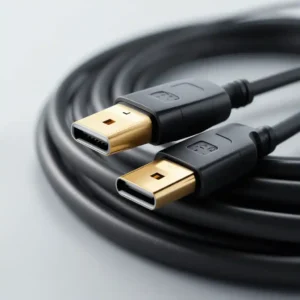
- Connectivity: USB (cable included), compatible with Windows 7+ and macOS 10.10+.
- Extras: Includes a USB cable and instructions. No software required, but Logitech’s G HUB app offers advanced tweaks.
- Dimensions: 4.9 x 4.7 x 11.6 inches (with stand).
- Color Options: Blackout (reviewed here), but available in others like silver or midnight blue.
These features make the Yeti more than a basic mic—it’s a mini studio in a box. For typing notes during classes, try the English typing test tool to sharpen your skills.
Unboxing and Setup: Effortless from the Start
Opening the Blue Yeti box feels premium for a budget mic. Inside, you’ll find the microphone attached to its stand, a USB cable (about 6 feet long), and a quick-start guide. No fluff like extra mounts, but that’s fine at this price.
Setup is a breeze—plug the USB into your computer, and it’s ready. Windows and Mac recognize it instantly as an audio input device. In Zoom or Teams, select “Blue Yeti” from the mic options. I had it up and running in under a minute on my Windows 11 laptop.
The stand assembles easily: Screw the mic onto the base if detached. Adjust the angle for comfort, and you’re set. For portability, fold it down or unscrew it for a boom arm. If you’re new to tech setups, this simplicity is a huge plus—no fumbling with drivers or apps.
One tip: Position it 6-12 inches from your mouth for best results. I tested it on a cluttered desk, and it stayed stable without wobbling.
Performance in Online Classes: Clear and Reliable
In my tests, the Blue Yeti shone during online classes. I used it for a week of virtual lectures, group discussions, and one-on-one tutoring sessions. The cardioid pattern was my go-to for solo speaking—it focused on my voice while ignoring keyboard taps and room noise.
During a noisy Zoom class (with construction outside), the Yeti minimized background sounds better than my laptop mic. Participants commented on how “professional” I sounded—no echo or muddiness. The gain control let me adjust sensitivity on the fly; crank it up for quiet speaking or down for louder environments.
For group classes, switching to omnidirectional mode captured everyone around the table clearly. It’s great for family study sessions or collaborative projects. The mute button was a lifesaver—tap it during breaks to avoid accidental broadcasts.
Latency-free monitoring via headphones helped me self-correct pronunciation or volume issues instantly. Overall, it transformed my online classes from frustrating to fluid.

Sound Quality Breakdown: Professional on a Budget
The Yeti’s sound is warm and full-bodied, thanks to its condenser capsules. Voices come through crisp and natural, without the tinny quality of cheap mics. In recordings, I noticed rich lows (bass) for deeper tones and clear highs for articulation—ideal for explaining concepts clearly.
Compared to built-in mics, it’s night and day. My laptop’s audio sounded flat and distant; the Yeti added presence, like speaking in the same room. For music teachers or language classes, the stereo mode adds depth to demos.
Background noise rejection is solid in cardioid mode, but not perfect—loud fans might creep in. Pop filters (not included) help with plosives like “P” sounds. At this price, the audio punches above its weight, rivaling mics twice the cost.
To test your knowledge while setting up, use the general knowledge MCQs test tool for a fun break.
Versatility: Polar Patterns Explained
The four polar patterns are a standout feature, setting the Yeti apart from single-pattern budget mics.
- Cardioid: Picks up sound from the front. Best for online classes, podcasts, or solo streaming. Ignores rear noise.
- Omnidirectional: Captures 360 degrees. Great for roundtable discussions or capturing room ambiance.
- Bidirectional: Front and back only. Ideal for interviews or duets.
- Stereo: Left and right channels for wide soundscapes, like ASMR or music lessons.
Switching patterns is easy via the rear dial. This flexibility means one mic handles multiple scenarios, saving you from buying extras.
Build Quality and Design: Sturdy and Stylish
The Yeti feels premium with its metal grille and base—no cheap plastic here. The blackout color is matte black, blending into any desk setup without distractions. Rubber feet prevent slipping, and the hinged stand adjusts smoothly.
At 3.5 pounds, it’s hefty enough to stay put but foldable for travel. I’ve carried it in a backpack without issues. Durability-wise, it’s built to last; users report years of use without wear.
Design quirks: The controls are intuitive, but the mute light is bright—fine for visibility, but dimmable would be nice. Overall, it’s functional and attractive.
Connectivity and Compatibility: Plug-and-Play Ease
USB connectivity keeps things simple—no audio interfaces needed. The included cable is long enough for desk use. It works flawlessly on PCs and Macs; I tested on Windows 11, macOS Ventura, and even an older Windows 10 machine.
For apps like Zoom, Teams, or Discord, it’s auto-detected. Logitech’s G HUB software (free download) adds EQ tweaks and presets, but it’s optional. Headphone compatibility via the 3.5mm jack is a bonus—plug in any pair for monitoring.
One note: It’s USB-A, so USB-C users need an adapter (cheap on Amazon). No wireless option, but that’s expected at this price.

Real-World Test Scenarios: Beyond Classes
I pushed the Yeti in various setups:
- Online Lecture: Clear voice projection; no feedback from 10 participants.
- Group Study: Omnidirectional mode captured three people evenly.
- Quiet Room: Gained up for whispers without hiss.
- Noisy Cafe: Cardioid reduced chatter, but not eliminated—use a quiet space for best results.
- Recording Notes: Stereo mode for voice memos with background music.
It handled 20+ hours of use without glitches. For gamers turning to classes, it’s dual-purpose.
Pros and Cons of Logitech Yeti Microphone
Pros
- Excellent sound quality for the price.
- Versatile polar patterns for different uses.
- Easy controls and zero-latency monitoring.
- Sturdy build with portable design.
- Plug-and-play on Mac/PC.
- Great value under $130.
Cons
- No pop filter or shock mount included (extras cost more).
- Can pick up some keyboard noise if too close.
- Heavy for ultra-portable needs.
- USB-A only (adapters needed for newer devices).
- No mobile app support.
These minor flaws don’t detract from its core strengths.
Comparison with Other Budget USB Microphone
How does the Yeti stack up?
- Vs. Fifine K669B ($40): Cheaper, but single pattern and thinner sound. Yeti wins on versatility.
- Vs. Audio-Technica AT2020USB ($149): Similar price, but cardioid only. Yeti’s patterns give it an edge.
- Vs. HyperX QuadCast ($139): RGB lighting for gamers, but Yeti has better build and software.
- Vs. Built-in Mics: No contest—Yeti is vastly superior.
- Vs. Higher-End (e.g., Shure MV7, $249): Shure is pro-level, but Yeti matches for casual use at half the cost.
For budget buyers, the Yeti offers the best bang for your buck.
User Reviews and Ratings: What Buyers Say
With 4.6/5 stars from over 61,476 Amazon reviews, the Yeti is a fan favorite. Users praise its “crystal-clear audio” and “easy setup.” One teacher said, “Transformed my online classes—students hear every word.” Gamers love the patterns for streaming.
Criticisms include “picks up too much noise” (fix with positioning) and “stand is bulky.” Overall, 85%+ are 4-5 stars, confirming its reliability.

Buying Guide: Choosing the Best Budget USB Microphone for Online Classes
When shopping:
- Budget: Under $150 for quality.
- Patterns: Multipattern for flexibility.
- Compatibility: USB plug-and-play.
- Extras: Monitoring and controls.
- Reviews: Check real-user feedback.
The Yeti checks all boxes. Buy from Amazon for fast shipping.
Tips for Using the USB Microphone in Online Classes
- Position 6-8 inches away, mouth aimed at the grille.
- Use cardioid for solos; adjust gain to avoid clipping.
- Add a pop filter ($10) for plosives.
- Monitor with headphones to self-check.
- In noisy spots, close windows or use a blanket fort.
- Update G HUB for custom presets.
These tweaks maximize performance.
Sustainability and Warranty
Logitech uses recyclable packaging, and the Yeti’s durable build reduces waste. It comes with a 2-year warranty—contact support for issues. Amazon’s 30-day returns add peace of mind.
Conclusion
The Logitech Yeti Microphone is hands-down the best budget option for online classes. Its rich sound, versatile patterns, and user-friendly design make it a standout, turning virtual sessions into engaging experiences. At under $98, it’s an investment that pays off in clearer communication and fewer tech headaches.
If you’re ready to upgrade, head to Amazon and grab one today. For more tech insights, explore Find Tech Today or Ahmad Free Tools. Your next class will thank you!