
AI for Plant Disease Identification
AI for Plant Disease Identification: How Artificial Intelligence is Transforming Agriculture
Modern agriculture is undergoing a technological revolution, and AI for plant disease identification stands at the center of this transformation. Farmers have long struggled with crop infections, fungal diseases, and pest attacks that silently destroy yields and reduce profitability. With the rise of Artificial Intelligence (AI) and Machine Learning (ML), farmers can now detect diseases early, prevent outbreaks, and protect their crops using advanced tools designed for precision agriculture.
This technology is no longer limited to large-scale farms — even small farmers can access AI-powered mobile apps that act as a Smart Plant Diagnosis Tool. These tools analyze leaf images, detect symptoms, and recommend treatments instantly. The result is faster, more accurate decisions that save time, money, and crops.
Before diving into the benefits, real-world examples, and expert opinions, it’s worth exploring why AI Plant Disease Detectors are reshaping the future of farming.
Why AI for Plant Disease Identification Matters Today
Traditional plant disease detection depends heavily on human observation. Farmers or agricultural experts inspect crops visually, often using magnifying tools, and identify the problem based on prior knowledge. However, this manual method is limited by human error, fatigue, and the inability to cover vast areas efficiently.
AI bridges this gap by providing scalable, precise, and data-driven solutions. An Artificial Intelligence Crop Health Analyzer can assess thousands of plants in minutes using satellite imagery, drones, or smartphone cameras.
Here’s why AI-powered systems are making such an impact:
-
Speed: Early detection prevents disease spread before it becomes unmanageable.
-
Accuracy: AI models are trained using thousands of plant images, allowing them to recognize even subtle symptoms.
-
Cost-Effectiveness: Farmers save money by reducing pesticide use and unnecessary treatments.
-
Sustainability: Early and precise intervention supports eco-friendly farming by reducing chemical dependence.
A study published in Frontiers in Plant Science (2024) revealed that AI-based disease detection can reduce crop losses by up to 40% when compared with traditional inspection methods. You can explore this research in detail here.
How AI Detects Plant Diseases
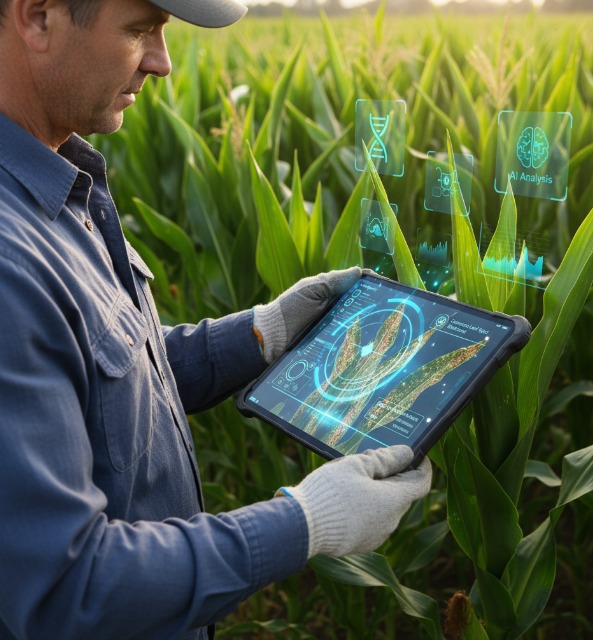
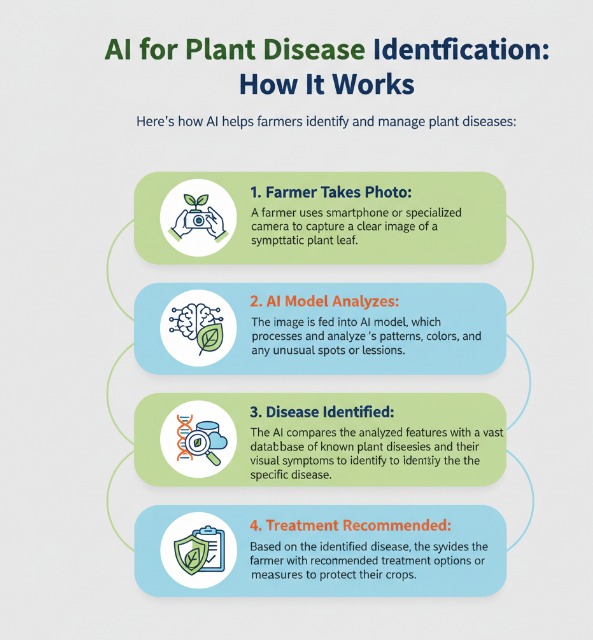
AI systems function like the human brain but with computational precision. Using Machine Learning Plant Health Apps, farmers capture images of infected leaves, fruits, or stems. The app then processes the data through trained neural networks that analyze texture, color, and shape patterns.
The steps are typically as follows:
-
Image Collection: Farmers upload clear images of affected plant parts.
-
Feature Extraction: The AI model identifies visual features such as discoloration, spots, or wilting patterns.
-
Model Training: Machine learning algorithms learn to differentiate between healthy and infected plants.
-
Disease Prediction: The system compares input images with a database and identifies probable diseases.
-
Treatment Suggestion: Based on the detected disease, the app recommends targeted solutions.
For example, the Agrio App uses a combination of AI and image recognition to detect plant issues in real time. It not only identifies the problem but also provides personalized management advice and crop protection strategies.
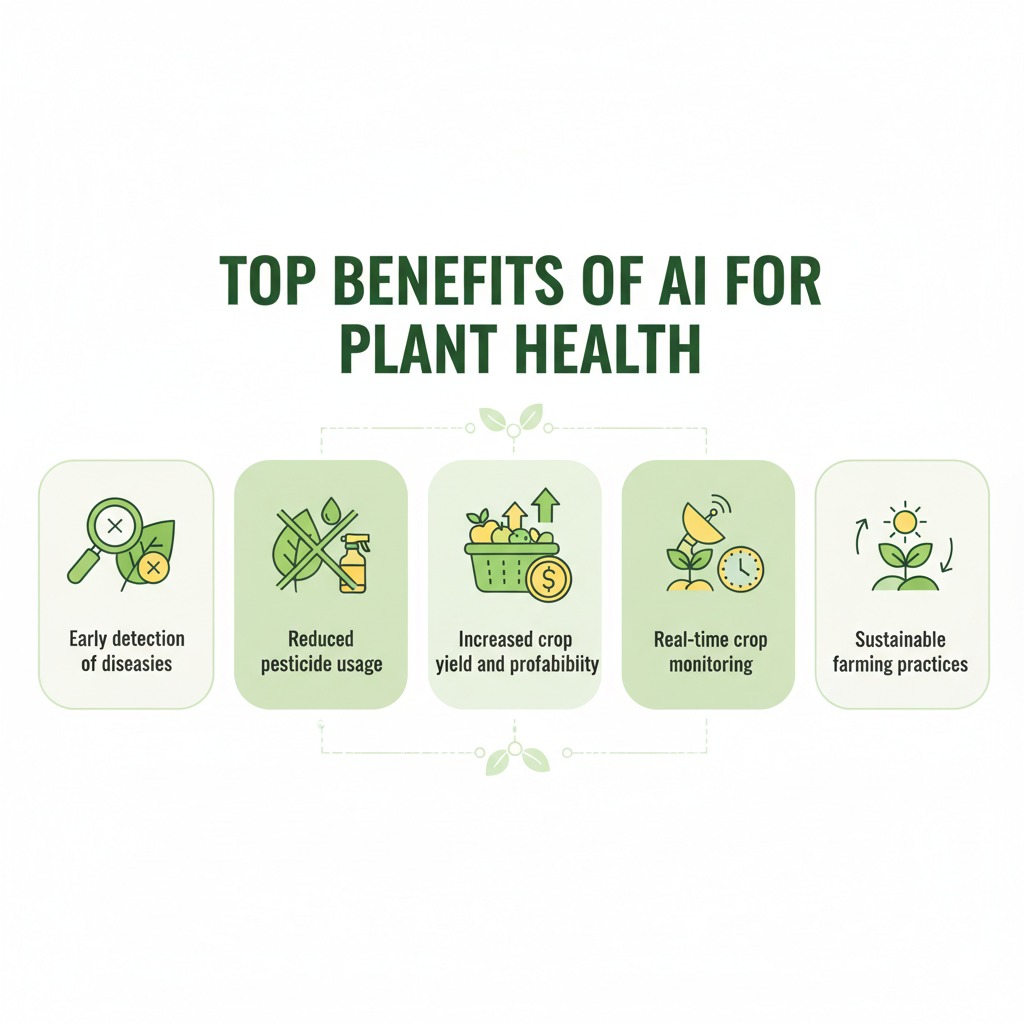
Top Benefits of Using AI for Plant Disease Identification
Adopting AI in agriculture isn’t just about technology — it’s about creating a smarter and more sustainable food system. Below are the key benefits that make AI indispensable for modern farming.
1. Early Detection and Prevention
AI enables farmers to act before diseases cause significant damage. Since AI tools can detect early symptoms invisible to the human eye, farmers can apply remedies faster.
2. Reduced Pesticide Usage
The Artificial Intelligence Crop Health Analyzer ensures pesticides are only used when necessary. This not only reduces environmental impact but also lowers input costs.
3. Increased Yield and Profitability
Healthy crops mean higher productivity. By preventing widespread infections, farmers can maintain consistent yields and improve profit margins.
4. Real-Time Monitoring
AI-powered drones and IoT sensors allow farmers to monitor crop health continuously. This real-time feedback helps them make quick, data-based decisions.
5. Global Accessibility
Most Smart Plant Diagnosis Tools are available as smartphone apps, making them accessible to farmers in remote areas without the need for expert consultations.
Popular AI Tools for Plant Disease Detection
Let’s look at some innovative AI tools that are empowering farmers worldwide.
1. Agrio
A comprehensive AI-based system that identifies plant diseases and pests from photos. It provides detailed prevention and treatment advice, integrating satellite monitoring for large-scale farms.
2. Plantix
A Machine Learning Plant Health App that can detect over 500 types of crop diseases, pests, and nutrient deficiencies. Plantix helps farmers from India to Africa improve their crop yields.
3. Leaf Doctor
Developed by Cornell University, this tool quantifies leaf damage and helps researchers and farmers track disease progression.
4. TensorFlow-based Custom Models
Agritech companies are building custom models using Google’s TensorFlow framework to identify specific diseases in crops like wheat, corn, and rice with over 95% accuracy.
5. Microsoft AI for Earth
Microsoft’s AI initiatives offer datasets and tools for environmental sustainability. Its models assist researchers in detecting crop stress caused by disease or drought.
How Farmers Are Using AI in the Field: Real Case Studies
Case Study 1: Tomato Farmers in Kenya
A group of tomato farmers in Kenya used the Agrio app to combat Tomato Leaf Curl Virus. Through AI-driven detection and alerts, they were able to treat infected plants early, reducing yield loss by 35% within a single season.
Case Study 2: Rice Cultivation in India
Indian farmers partnered with a local tech startup using a Smart Plant Diagnosis Tool that detects Bacterial Leaf Blight. The tool helped reduce unnecessary pesticide sprays by 28%, saving costs and improving soil health.
Case Study 3: European Vineyards
In France and Italy, vineyard owners use drone-based AI systems to identify early symptoms of Powdery Mildew. The AI model identifies infected vines across hectares of farmland, enabling targeted fungicide application.
These examples show that AI is not a futuristic concept — it’s already transforming the way farmers work, one crop at a time.
How AI for Plant Disease Identification Supports Sustainable Farming
AI doesn’t just detect diseases; it creates an ecosystem for sustainable agriculture. Farmers can combine data from AI models with other technologies such as IoT sensors and satellite imagery to achieve comprehensive crop management.
Sustainability Benefits:
-
Minimized Environmental Damage: Less pesticide use protects beneficial insects and soil biodiversity.
-
Water Conservation: AI models predict irrigation needs based on plant health and weather patterns.
-
Carbon Footprint Reduction: Healthier crops absorb more carbon dioxide, contributing to environmental balance.
-
Better Resource Management: Farmers can plan fertilizers, water, and nutrients more efficiently.
When integrated into larger systems like Artificial Intelligence Crop Health Analyzers, AI supports a new era of precision farming where every resource counts.
Expert Opinions on AI in Agriculture
Experts from agricultural universities and tech companies agree that AI is crucial to meeting global food demands sustainably.
Dr. Lena Hoffmann, a plant pathologist at Wageningen University, notes:
“AI-powered plant health analyzers have drastically improved the accuracy of early detection. What used to take weeks of lab testing now takes seconds.”
Similarly, industry leaders emphasize that Machine Learning Plant Health Apps are vital for democratizing agricultural knowledge. Smallholder farmers, often lacking access to expert agronomists, can now receive real-time, accurate advice directly on their smartphones.
Integration of AI with IoT and Drones
Combining AI with IoT sensors and drones takes plant disease detection to another level. Drones equipped with high-resolution cameras capture field data, while IoT devices continuously monitor soil and weather conditions.
The AI system analyzes these datasets to detect anomalies that signal disease outbreaks. Farmers can receive instant alerts via mobile notifications. This level of automation saves countless hours and reduces crop losses dramatically.
For example:
-
IoT Sensors monitor humidity and temperature to predict fungal risks.
-
Drones scan for color variations that may indicate leaf infections.
-
AI Algorithms process this information and recommend immediate actions.
Such interconnected systems represent the future of agriculture — intelligent, proactive, and data-driven.
Related AI Innovations
AI’s role in plant health is part of a much broader technological ecosystem. If you’re interested in learning how AI enhances human creativity and problem-solving, check out these related guides on FindTechToday:
Each article shows how AI applications extend beyond agriculture, shaping industries from travel to home design.
Challenges of AI for Plant Disease Identification
While AI brings remarkable advantages, it is not without challenges. Farmers, startups, and researchers must consider these limitations to use AI effectively.
Data Quality and Availability
AI models rely on large datasets of plant images to learn and identify diseases. Poor-quality images, inconsistent labeling, or limited datasets for rare crops can reduce accuracy. Many farmers in developing regions face challenges capturing high-quality images for AI apps.
High Initial Costs
Although apps like the Agrio App make AI accessible, advanced AI systems involving drones, IoT sensors, and satellite monitoring can be costly to implement for smaller farms.
Connectivity Issues
AI-powered apps often require internet access to process data or update models. Rural areas with low connectivity may face difficulties, limiting the technology’s full potential.
Complexity of Multistage Diseases
Some plants experience multiple diseases simultaneously. AI models trained on single disease patterns may misdiagnose combined infections. Continuous model updates and expert input are essential to maintain accuracy.
Farmer Training
Farmers need basic training to capture images correctly and interpret AI recommendations. Misuse or misunderstanding of AI outputs can lead to ineffective interventions or resource wastage.
Choosing the Best AI Tool for Your Farm
Selecting the right AI tool ensures maximum benefits. Consider the following factors:
1. Crop Coverage
Choose a tool that covers the crops you grow. For example, Plantix is ideal for rice, wheat, and maize, while Agrio supports a broader range of crops.
2. Disease Database
The accuracy of diagnosis depends on the AI database. Tools with a larger variety of diseases and pests, regularly updated with new data, are more reliable.
3. User Interface
A simple, intuitive interface ensures farmers can use the app without extensive technical knowledge. Mobile-friendly platforms are especially important for smallholder farmers.
4. Integration with Other Systems
AI tools that integrate with drones, IoT sensors, or weather forecasting apps provide more comprehensive monitoring and management.
5. Support and Guidance
Choose apps that provide actionable treatment advice, not just disease identification. Recommendations for organic and chemical interventions help farmers make informed choices.
Future Trends in AI for Plant Disease Identification
AI in agriculture is evolving rapidly. Here are some trends to watch:
1. Advanced Image Recognition
Next-generation AI models will detect diseases from early molecular signals, not just visible symptoms, allowing ultra-early interventions.
2. Predictive Analytics
Combining AI with weather and soil data will enable predictive disease forecasting. Farmers will receive alerts before an outbreak even begins.
3. Integration with Robotics
Robotic arms and drones could automatically apply targeted treatments to infected plants, reducing labor costs and chemical exposure.
4. Global AI Networks
Collaborative AI databases will allow farmers worldwide to share images and insights, improving accuracy and helping combat emerging diseases faster.
5. Personalized Recommendations
Future Smart Plant Diagnosis Tools may offer personalized treatment strategies based on soil type, local climate, and crop variety.
Practical Tips for Farmers Using AI Tools
Farmers can maximize AI benefits by following simple best practices:
-
Capture clear, well-lit images of affected plant parts.
-
Regularly update AI apps to access the latest disease databases.
-
Combine AI insights with traditional observations for improved accuracy.
-
Keep track of AI-recommended interventions to evaluate their effectiveness.
-
Engage with online communities for advice, updates, and experiences.
These small steps ensure AI acts as a true crop health partner rather than just a digital novelty.
FAQs About AI for Plant Disease Identification
Q1: Can AI completely replace human agronomists?
AI is a tool to assist, not replace, experts. While it accelerates diagnosis and improves accuracy, complex cases still require human expertise.
Q2: How accurate are AI Plant Disease Detectors?
Accuracy varies by tool, crop, and image quality. High-quality apps can achieve over 90% accuracy for common diseases, but rare or multi-disease cases may be challenging.
Q3: Is AI useful for small-scale farmers?
Yes, mobile apps like Plantix and Agrio make AI accessible to farmers with small plots. Even limited AI adoption can significantly improve crop health and reduce losses.
Real-Life Expert Advice
Dr. Rajesh Mehta, agritech consultant, emphasizes:
“AI for plant disease identification allows farmers to act faster and more precisely. Even for smallholder farms, AI apps are a game-changer, particularly for managing complex disease patterns.”
Similarly, agronomist Maria Lopez notes:
“Combining AI with traditional knowledge enhances decision-making. Farmers now have a powerful ally that learns and improves over time.”
Conclusion
AI for plant disease identification is no longer a futuristic concept; it is actively improving crop health and farm profitability worldwide. By adopting AI Plant Disease Detectors, Artificial Intelligence Crop Health Analyzers, and Machine Learning Plant Health Apps, farmers gain:
-
Early, accurate disease detection
-
Reduced chemical use and costs
-
Enhanced yield and food security
-
Sustainable farming practices
The integration of AI with drones, IoT sensors, and global data networks will continue to transform agriculture, making it more efficient, resilient, and environmentally friendly.
Farmers, researchers, and agritech companies who embrace AI today are laying the foundation for a smarter, healthier, and more productive farming ecosystem. For those interested in exploring AI-powered plant disease detection tools, visit Agrio App to see practical, real-world solutions in action.